How to Choose the Right Airtime or Package for Someone Back Home
A practical guide to choosing between airtime and data packages when sending mobile support to someone back home, and how to avoid common mistakes.

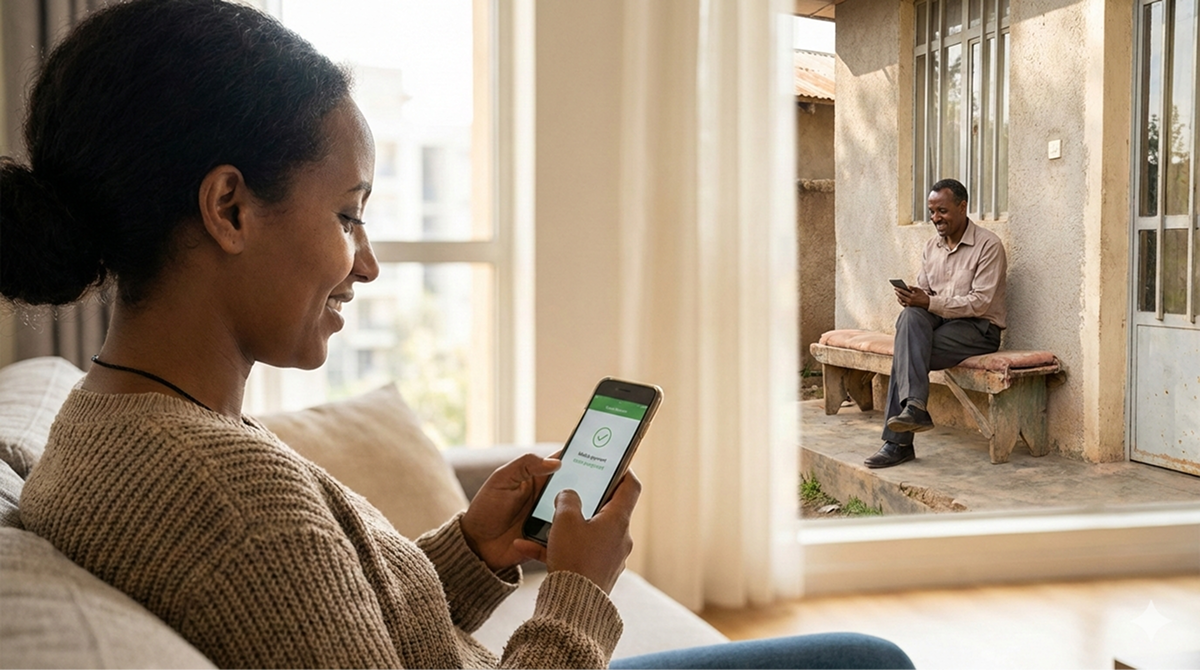
Sending airtime or data to someone back home sounds simple — and in many cases, it is. But choosing the right option makes a big difference in whether the top-up is actually useful, timely, and cost-effective.
This guide explains when to send airtime, when to choose a data package, and how to avoid common mistakes when supporting someone remotely.
Quick Summary
When sending mobile value internationally, the best choice depends on how the recipient uses their phone.Airtime is best for flexibility, calls, SMS, and uncertain usage.Data packages are best for internet-heavy usage when the operator is known.
Choosing correctly improves delivery success and ensures the top-up is actually useful.
Start With the Real Question: What Do They Actually Need?
Before choosing between airtime or a data package, it helps to think about how the recipient actually uses their phone.
Consider the following:
- Do they mainly make calls or send SMS?
- Do they rely on mobile internet for messaging, work, or school?
- Are they using a smartphone or a basic phone?
- Do you know their mobile operator?
Answering these questions first avoids the most common issues with international top-ups.
Option 1: When Airtime Is the Right Choice
Airtime is the most flexible option and works well in many situations.
Airtime is usually best when:
- The recipient needs calls or SMS
- You are unsure which package they prefer
- They convert airtime into data locally
- They use a basic or older phone
Why airtime works well:
- It can be used in multiple ways
- It gives the recipient flexibility
- It works across more devices
- It is rarely wasted
For many families, airtime remains the safest and most practical form of mobile support.
Option 2: When a Data Package Makes More Sense
Data packages are designed specifically for internet usage.
A data package is better when:
- The recipient mainly uses WhatsApp, Telegram, Facebook, or video calls
- Mobile internet is essential for work or study
- You know their operator and preferred bundle
- They already have enough airtime for calls
Things to keep in mind:
- Data packages are operator-specific
- Most packages have expiration periods
- Not all packages are interchangeable
When chosen correctly, data packages can offer better value for internet-heavy users.
Common Mistakes to Avoid
Many unsuccessful or disappointing top-ups happen because of small but important oversights.
1. Choosing the wrong operator
Even if the phone number is correct, selecting the wrong network can cause failures or delays.
2. Sending data when airtime was needed
If the recipient mostly makes calls, a data-only package may not help much.
3. Assuming all packages work the same
Each operator structures its bundles differently. What works in one country or network may not apply to another.
4. Over-optimizing the choice
Trying to find the “perfect” package can sometimes backfire. When unsure, airtime is usually safer.
Decision Rules: Airtime vs Data Package
Use the following rules to decide:
- If the recipient needs calls or SMS, choose airtime
- If the recipient mainly uses internet apps, choose a data package
- If the phone is basic or non-smart, choose airtime
- If the operator or usage is uncertain, choose airtime
- If the operator and preferred bundle are known, choose a data package
When in doubt, airtime is generally the safer and more flexible option.
Important Considerations Before Sending
Before sending airtime or a package, always confirm:
- The recipient’s country
- The mobile operator
- The correct phone number
- Whether they need airtime or data
Data packages:
- Are usually operator-specific
- May have usage limits or expiration periods
- Do not work across different networks
Airtime:
- Can be used flexibly
- Can often be converted locally into data
- Works across a wider range of devices
Confirming these details helps avoid failed or unusable top-ups.
How International Top-Up Platforms Help
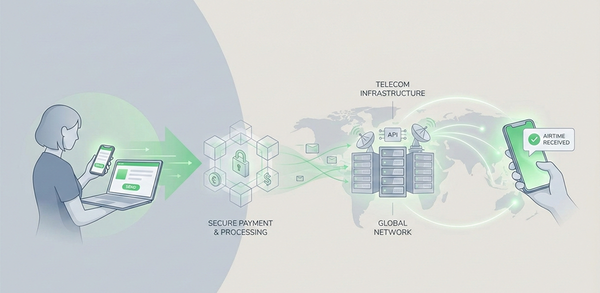
Platforms designed for international top-ups help by:
- Routing value to the correct operator
- Validating phone numbers and networks
- Confirming successful delivery
- Reducing common cross-border errors
The goal is not just sending value, but ensuring it reaches the recipient in a usable form.
Frequently Asked Questions
Is airtime or data better for international top-ups?
It depends on how the recipient uses their phone. Airtime is more flexible, while data packages are better for internet-heavy usage when the operator is known.
Can airtime be converted into data?
In many regions, recipients can use airtime to purchase local data bundles, depending on the operator.
Why do some data packages fail?
Common reasons include selecting the wrong operator, incompatible bundles, or number validation issues.
What is the safest option if I am unsure?
When unsure, airtime is usually the safest choice.